
Holy Week
This Holy Week, we remember that Jesus resisted empire in his life–and death.
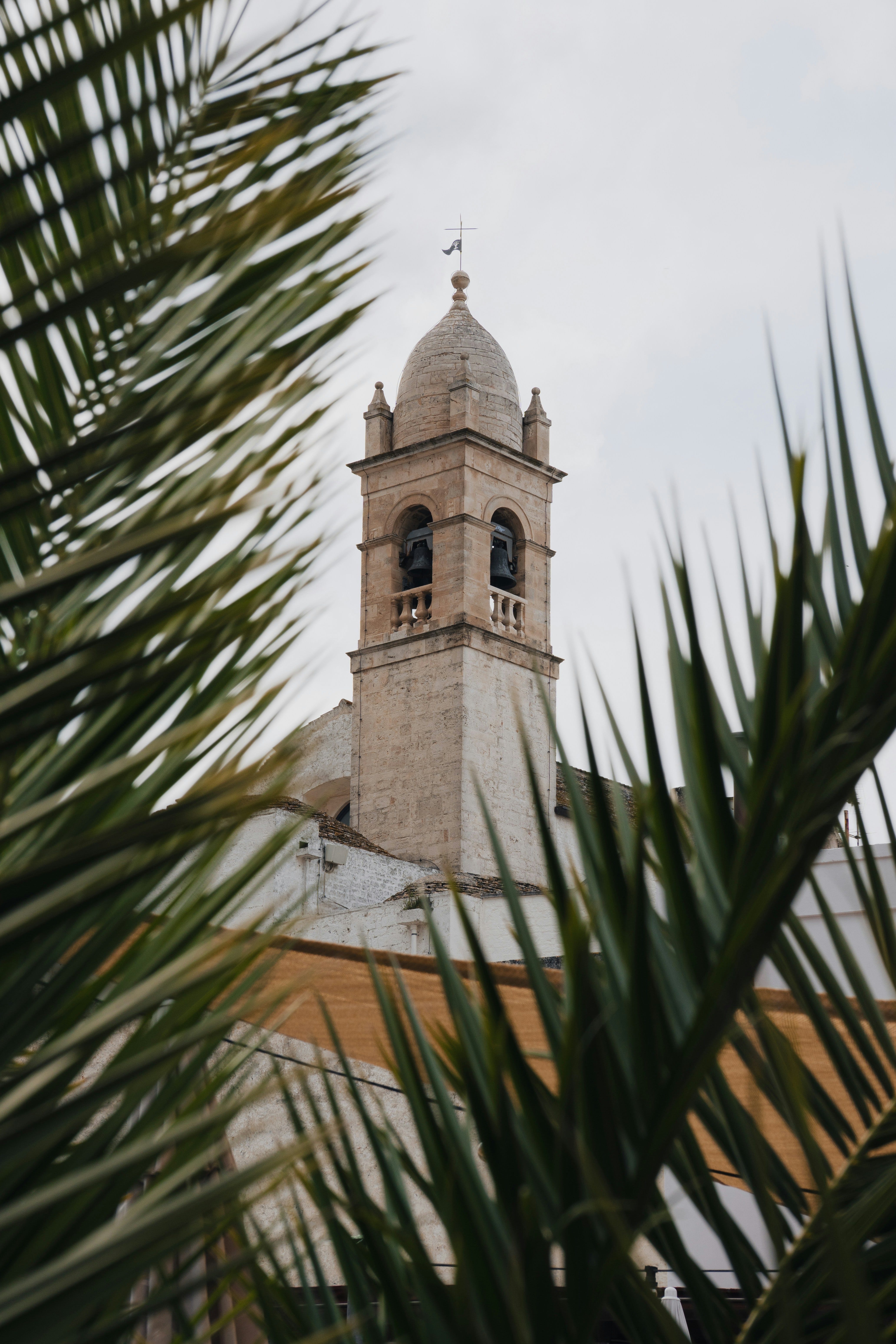
Holy Week begins with Palm Sunday and Jesus’ humble entrance into the city of Jerusalem, the center of political and religious power. Many of us re-enact this procession in our churches, waving palm branches with a joyful and worshipful spirit. But Palm Sunday was not only a procession, it was an act of public witness. Jesus entered from one gate on a donkey, embodying a new order of love, compassion, justice and humility, while a military procession entered through another gate, displaying dominance and the coercive power of empire. The two entries point to two very different kingdoms, one of power, built on human-made might, and one built on real acts of peace and justice. Jesus was not an authoritarian leader, and his kingdom was not an autocratic rule.
That tension between kingdoms is not confined to the past. Who will people of faith enter the city with today–the powerful, or the humble? This past Saturday, many gathered and marched for No Kings III, lifting up a public witness that echoed the rejection of domination. Like the procession of Palm Sunday, it was a reminder that how we show up in public life matters. Faith leaders must continue to enter the procession with the humble king who is ready to overturn the corrupt tables of money, power, and Christian nationalism.
Later, at a Passover feast, what we call the Last Supper, Jesus washed the feet of his disciples. Today, many Christian communities will kneel before their neighbors to take part in the sacred act of washing one another’s feet. For local churches experiencing conflict, tension, or division, nothing is more relational, connecting, and humbling than foot washing. Imagine what might happen if Democrats and Republicans could look past their deep polarization and bend to wash each other’s feet.
On Good Friday, we remember Jesus’ death on a Roman cross, transforming a symbol of political oppression into one of nonviolent sacrificial love. Jesus was not only a teacher of good, he was the Son of God who lived and walked on this earth in deep solidarity with those suffering under the brutality of empire. Many faith communities will walk the Stations of the Cross this year as a practice of solidarity. Here in DC, I will join a pilgrimage with readings at sites throughout the city, including outside the White House and DOJ, proclaiming God’s kingdom of justice. This Lent, partners who signed A Call to Christians helped create liturgical resources for stations of the cross processions as sacred resistance to government cruelty against our immigrant neighbors, which I recommend to you.

After the dark night of Holy Saturday, we arrive at Easter. As Christians, our hope is rooted in Christ rising from the dead. I believe in the real, physical resurrection of Christ, a miracle that changed history forever. On calls with multi-faith leaders this week, I heard many wondering if we are making any difference amid hypocrisy, corruption, oppression, violence, and war. For me, the resurrection of Christ is why the “faith factor” in the public sphere remains powerful. It gives us the strength to choose the way of peace and justice over and over again, even during the most painful and tumultuous times. That choice for hope always makes new things possible.
This year, we have seen this sign of hope in the countless clergy and laypeople resisting injustice, and more and more who are ready to stand up. In my podcast with Diana Butler Bass this week, she shares about the shift taking place among white mainline Protestants. Their support for Donald Trump is dropping significantly–the biggest drop so far from white people of faith, and white people generally in their acceptance, support, or toleration of the Trump regime.

Diana says “quiet Christianity” is waking up in response to authoritarianism, Christian nationalism, and the Trump administration’s policies. Mainline Protestant churches, especially in places like Minnesota, are moving from inward debate to public courage through accompaniment, immigration advocacy, and solidarity with vulnerable neighbors. Bass argues that democracy is sustained not only by elections and institutions, but by local acts of love, truth-telling, and moral witness rooted in the Gospel. She says that “the Jesus of Christian nationalism… isn’t Jesus at all,” and that “those humble, quiet churches… are an important thread in the American quilt… central to the health of democracy and community life.”
This Holy Week, I am very hopeful. As people of faith, we will continue to proclaim this faith amidst a worsening political situation. Hope is something we live out, not only during Easter, but always. We live out this hope as we organize, protest, and pray. We know that empires rise and fall, and that the God of justice and peace has survived every empire. When you respond on Easter Sunday to the jubilant call “He Is Risen,” with “He is risen indeed!” and as you go into this world, remember this hope.